
Prosthodontics
Crowns, Bridges, and Dentures: Understanding Your Restorative Options
A considered explanation of how crowns, bridges, and dentures each work — and why the right option depends on the condition of your whole mouth, not a fixed rule.
A tooth can need restoring or replacing for several reasons — significant decay, a fracture, heavy wear, or a tooth that's already missing. Three broad approaches come up most often: crowns, bridges, and dentures. Each does a different job, is suited to a different situation, and none of them is automatically the right answer for every case. Understanding what each one actually involves, and what determines whether it's suitable, is a more useful starting point than assuming one option is simply "better" than the others.
Crowns
A crown is a custom-made cover that fits over an existing tooth — it does not replace a missing one. It's generally considered when a tooth has been significantly weakened by decay, a large filling, a fracture, or root canal treatment, and needs its strength, function, and appearance restored rather than removed altogether. The tooth is reshaped first so the crown can fit securely over what remains. In some root-treated teeth with very little remaining structure, a post may be used to help support the build-up beneath the crown. A crown can also sit on top of a dental implant, in which case it is the visible replacement tooth rather than a cover for a natural one — the underlying support is simply different. Cared for well, with consistent brushing, interdental cleaning, and regular check-ups, a crown is generally intended to last for many years, though this varies by case.
Bridges
A bridge replaces one or more missing teeth by fixing a false tooth in place, using planned support from one or more neighbouring teeth. Because it's cemented or bonded in, it isn't taken out day to day, and it can help restore biting and chewing across the gap in the way a missing tooth alone cannot. How much those supporting teeth need to be prepared depends on the design used: a conventional bridge reshapes and crowns both supporting teeth to hold the new tooth securely, while some other designs are bonded to the back of a neighbouring tooth rather than covering it, involving considerably less preparation. Which approach is appropriate depends on the health, position, and existing condition of the neighbouring teeth themselves, which is assessed individually rather than assumed. Where several teeth are missing, or where the neighbouring teeth aren't a suitable foundation, an implant-supported alternative may be considered instead.
Dentures
A denture is a removable appliance that replaces missing teeth, and it comes in two main forms. A partial denture replaces one or more missing teeth while some natural teeth remain, often held in place with discreet clasps that clip onto those teeth. A complete denture replaces a full set of upper or lower teeth, where none remain. Unlike a crown or bridge, a denture is not fixed permanently in the mouth — it's designed to be removed for cleaning and, generally, overnight.
Adjusting to a new denture takes time, and the period of adaptation varies from person to person rather than following a fixed timeline. It can feel noticeably large in the mouth at first, and speaking and eating may feel different for a while, particularly with a complete denture replacing a full arch. Starting with softer foods, cutting food into smaller pieces, and chewing evenly on both sides of the mouth generally helps as the mouth and tongue adjust. Daily cleaning, along with removing the denture overnight to let the gums rest, is generally part of ongoing care.
Comparing the Options
Set out simply, the practical difference between these options often comes down to whether they stay in the mouth permanently or can be taken out, and how many teeth are involved:
| Option | Typically Used For | Fixed or Removable |
|---|---|---|
| Crown | Restoring a single damaged or weakened tooth | Fixed |
| Bridge | Replacing one or more missing teeth using planned support from neighbouring teeth | Fixed |
| Denture | Replacing one or more missing teeth, or a full arch, depending on the type | Removable |
This is a starting point for orientation, not a recommendation. The condition of the remaining teeth, the health of the gums and supporting bone, how the bite functions day to day, and what matters most to the patient in terms of appearance and comfort all factor into the actual decision, which is made individually rather than read off a table. These options aren't always a one-time, permanent choice either — as a mouth changes over time, a plan built around a bridge or denture today doesn't rule out a different approach later, and that flexibility is part of what a proper assessment weighs up.
There is no single restoration that is right for everyone; the appropriate option depends on the condition of the mouth, what needs to be restored or replaced, and the patient's own priorities.
Where Implants Can Fit In
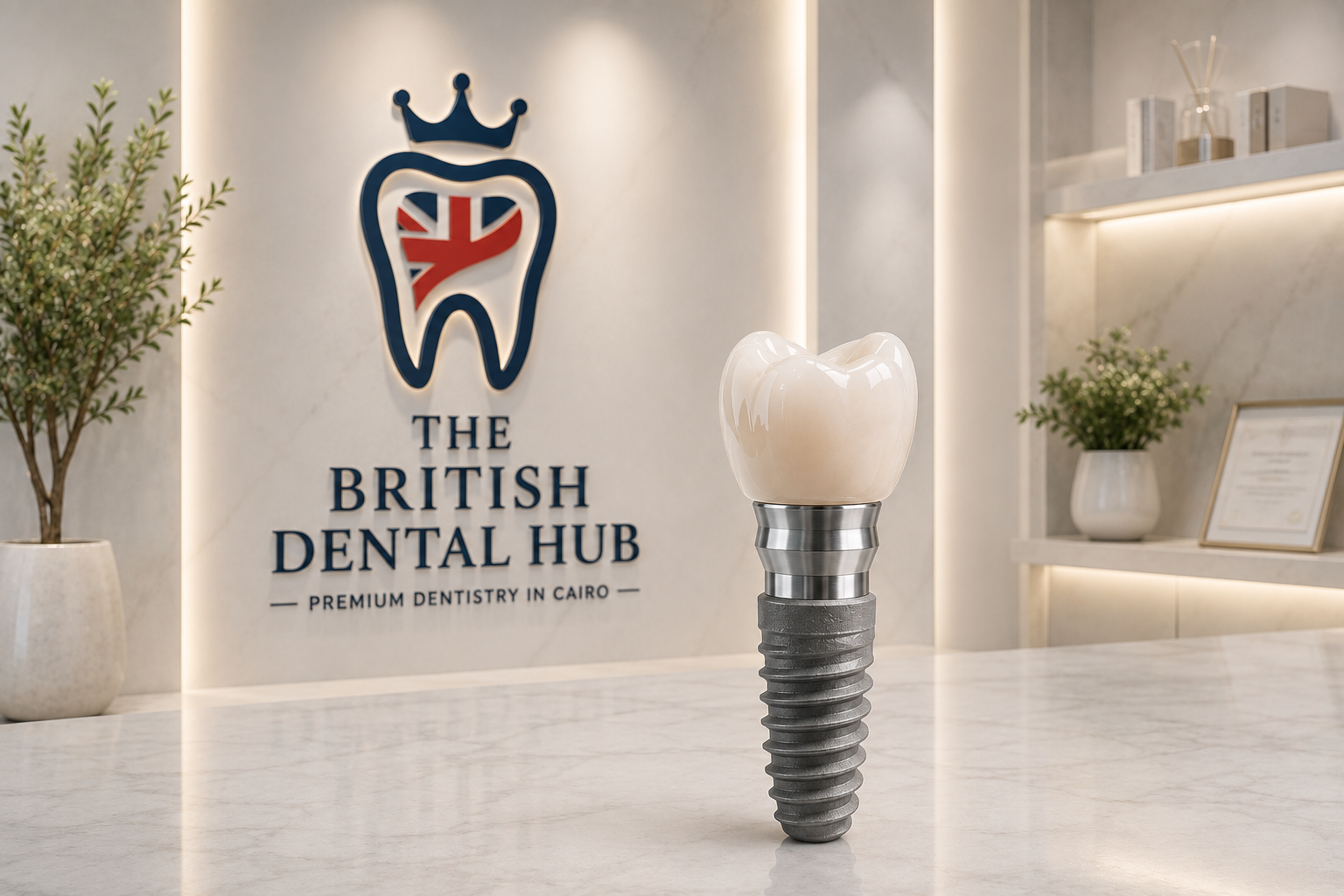
Implants are worth being aware of when weighing up bridges and dentures in particular. Implant treatment can provide support for a replacement tooth without relying on neighbouring teeth for support, and, depending on the case, can also be used to support a bridge or certain types of denture more securely. Whether an implant is suitable depends on individual factors, including the health of the gums and the amount of supporting bone, so it isn't automatically the right choice either — it's simply another route worth discussing alongside a bridge or denture, not a universal upgrade from either. A fuller explanation of what implant treatment involves is available in our guide to what to expect from dental implant treatment, and on our dental implants page.
Living With Your Restoration Long-Term
Whichever option is chosen, comfort and longevity over time depend on similar basics: consistent oral hygiene, sensible care of the restoration itself, and regular review visits so fit and condition can be checked. A crown or bridge can generally be cared for with regular brushing and appropriate interdental cleaning, with your dentist or hygienist showing you how to clean around the restoration. A denture needs its own daily cleaning routine and periodic checks, since the mouth and gums can change shape gradually over time, which can affect how well a denture continues to fit. None of this is a one-off procedure — ongoing care is part of the plan from the outset, whichever option is right for you.
Frequently Asked Questions
How do I know which option is right for me?
This is decided together with your dentist after assessing your remaining teeth, gums, and supporting bone, along with your own priorities — not from a general comparison like this one.
Do these restorations require special care?
The basics are similar — consistent oral hygiene and regular check-ups — but a denture also needs its own daily cleaning routine and overnight removal, which a crown or bridge doesn't.
Are dentures always removable?
A conventional denture is designed to be removable. Some patients are instead offered an implant-supported denture, which is a different, more securely retained appliance built on implants rather than a denture that's simply left in place.
Do the teeth next to a bridge always need to be filed down?
Not to the same extent in every case. A conventional bridge involves reshaping and crowning the supporting teeth, while some other bridge designs need much less preparation. Which approach is suitable depends on the condition of those teeth.
Could an implant be used instead of a bridge or denture?
In some cases, yes. An implant can support a replacement tooth without relying on neighbouring teeth, and can sometimes support a bridge or denture as well — though suitability depends on individual factors like gum and bone health.
Does gum disease affect which option I can have?
The health of your gums and supporting tissues can affect which restorative options are suitable and how they can be planned, so gum health is assessed as part of the overall treatment plan.
Medically reviewed by Dr. Ayman Chhada, BDS
This article is for general information only and does not replace a clinical consultation or diagnosis.
Related Articles
Dental Implants
What to Expect From Dental Implant Treatment
A considered, stage-by-stage explanation of how dental implant treatment is typically planned and delivered — and why the details can genuinely differ from one patient to the next.

Endodontics
Understanding Root Canal Treatment
A clear, clinically grounded explanation of what root canal treatment involves, why it may be needed, and what to expect before and after treatment.
Periodontal Care
Gum Health: What You Should Know
A clear explanation of gum health — the difference between gingivitis and periodontitis, which signs are worth discussing with your dentist, and what ongoing periodontal care usually involves.